
Smart Interior Layout Tips: Your Ultimate Cheat Sheet

Designing your home can feel like a big puzzle. You want it to look beautiful, but also work well for your daily life. That’s where smart interior layouts come in. They help you make the most of your space, so your home feels open, cozy, and functional all at once. I’m here to share some of my favorite tips and tricks to help you create a space that truly works for you.
Whether you’re starting fresh or just tweaking what you have, this guide will walk you through everything you need to know. Let’s dive in and make your home a place you love to live in.

Smart Interior Layout Tips to Transform Your Space
When it comes to smart interior layouts, the goal is simple: maximize comfort and usability without sacrificing style. Here are some practical tips to get you started:
Think about flow: How do you move through your rooms? Avoid blocking pathways with furniture. Leave enough space to walk comfortably.
Use multi-functional furniture: Pieces like ottomans with storage or fold-out tables save space and add versatility.
Create zones: Even in open-plan spaces, define areas for different activities like dining, relaxing, or working.
Balance scale and proportion: Choose furniture that fits the size of your room. Oversized pieces can overwhelm small spaces, while tiny furniture might feel lost in a large room.
Let in natural light: Position seating near windows to brighten your space and make it feel larger.
Add mirrors: They reflect light and create the illusion of more space.
Keep clutter in check: Smart storage solutions keep your home tidy and stress-free.
By applying these tips, you’ll notice your rooms feel more inviting and easier to use. It’s all about making your space work for you, not the other way around.

What are the 7 Basic Principles of Interior Design?
Understanding the core principles of interior design can help you make smarter layout choices. Here are the seven basics that guide every great space:
Balance - Distribute visual weight evenly. This can be symmetrical (matching items on both sides) or asymmetrical (different items with equal visual weight).
Rhythm - Create a sense of movement by repeating colors, shapes, or patterns.
Emphasis - Highlight a focal point, like a fireplace or artwork, to draw attention.
Scale and Proportion - Ensure furniture and decor fit the size of the room and relate well to each other.
Contrast - Use opposing elements like light and dark or rough and smooth to add interest.
Harmony and Unity - Make sure all parts of the room work together to create a cohesive look.
Details - Small touches like trim, hardware, and accessories complete the design.
When you keep these principles in mind, your layout will feel balanced and intentional. It’s like having a roadmap for your design journey.

How to Choose the Right Layout for Your Room
Picking the perfect layout depends on your room’s shape, size, and how you use it. Here are some common layouts and when to use them:
Grid Layout: Furniture is arranged in straight lines, creating a formal and organized look. Great for rectangular rooms.
Circular Layout: Seating is arranged in a circle or semi-circle, encouraging conversation. Perfect for living rooms or lounges.
Diagonal Layout: Placing furniture at an angle adds visual interest and can make a room feel larger.
Zoned Layout: Divide a large space into smaller functional areas, like a reading nook or workspace.
Open Layout: Minimal barriers between areas, ideal for modern homes and small spaces.
Try sketching your room and experimenting with these layouts on paper or with an app. It’s easier to visualize before moving heavy furniture around.

Tips for Small Spaces: Making Every Inch Count
Small rooms can be tricky, but with smart planning, they can feel spacious and stylish. Here’s how to make the most of limited space:
Choose light colors: Whites, pastels, and neutrals reflect light and open up the room.
Use vertical space: Tall shelves and wall-mounted storage free up floor space.
Opt for furniture with legs: Pieces that lift off the floor create a sense of openness.
Keep it simple: Avoid overcrowding with too many items or patterns.
Use foldable or stackable furniture: These can be tucked away when not in use.
Incorporate mirrors: They visually double the space.
With these strategies, even the smallest rooms can feel airy and welcoming.
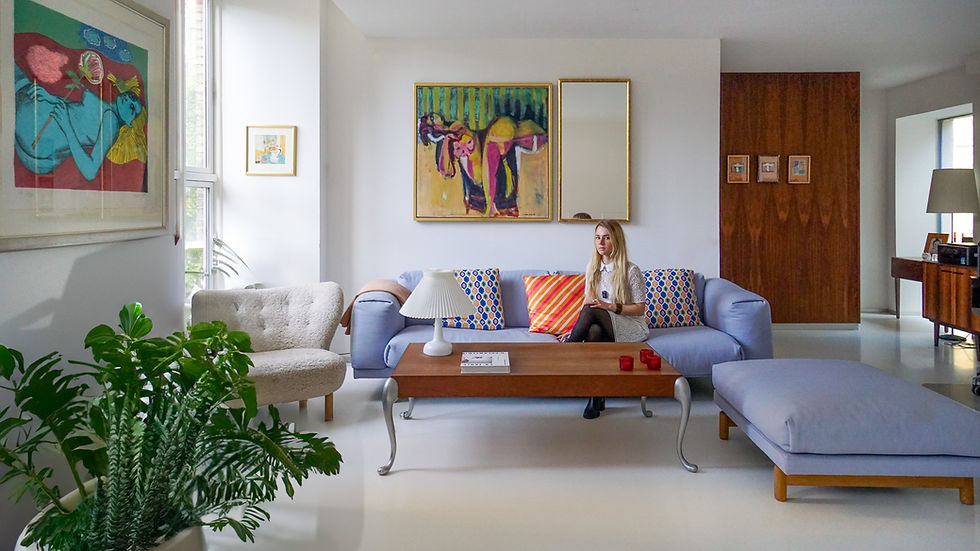
Bringing It All Together: Your Interior Design Layout Cheat Sheet Guide
If you want a resource to keep all these ideas in one place, I recommend checking out my interior design layout cheat sheet guide.

Your Next Steps to a Smarter Home Layout
Now that you have these smart interior layout tips, it’s time to put them into action. Start by assessing your space and thinking about how you want to live in it. Sketch out some ideas or use online tools to play with different layouts.
Don’t be afraid to experiment. Sometimes moving a chair or swapping a rug can make a big difference. And if you ever feel stuck, revisit the principles and tips here to guide you.
Your home is your sanctuary. With a little planning and creativity, you can create a space that supports your lifestyle and brings you joy every day. Happy designing!


Comments