
Mastering Interior Colors for your Space: Your Guide to Color Schemes in Decor

Choosing the right colors for your home can feel overwhelming. But it doesn’t have to be. When you understand how colors work together, you unlock the power to transform any room into a stunning space that feels just right.
Today, I’m excited to share practical tips and insights that will help you master interior colors with confidence. Whether you’re refreshing a single room or planning a full makeover, this guide will walk you through the essentials of color schemes in decor.
And if you want to dive deeper into mastering these techniques, I recommend getting me free color guide with the 5 most common mistakes people make when it comes to color.
Understanding Interior Color Schemes for your Space: The Foundation of Beautiful Spaces
Color schemes are the backbone of any well-designed room. They create harmony, set the mood, and highlight your personal style. When you grasp the basics of color schemes in decor, you’ll find it easier to make choices that feel intentional and cohesive.
There are several classic color schemes to consider:
Monochromatic: Using different shades, tints, and tones of a single color. This creates a calm, unified look.
Analogous: Colors that sit next to each other on the color wheel, like blue, teal, and green. This scheme feels natural and soothing.
Complementary: Colors opposite each other on the wheel, such as blue and orange. This combo adds energy and contrast.
Triadic: Three colors evenly spaced on the wheel, like red, yellow, and blue. It’s vibrant but balanced.
Neutral: Whites, grays, beiges, and browns. Neutrals provide a timeless backdrop and work well with accent colors.
When you pick a scheme, think about the mood you want to create. For example, soft blues and greens can make a bedroom feel peaceful, while bold reds and yellows energize a kitchen or living room.
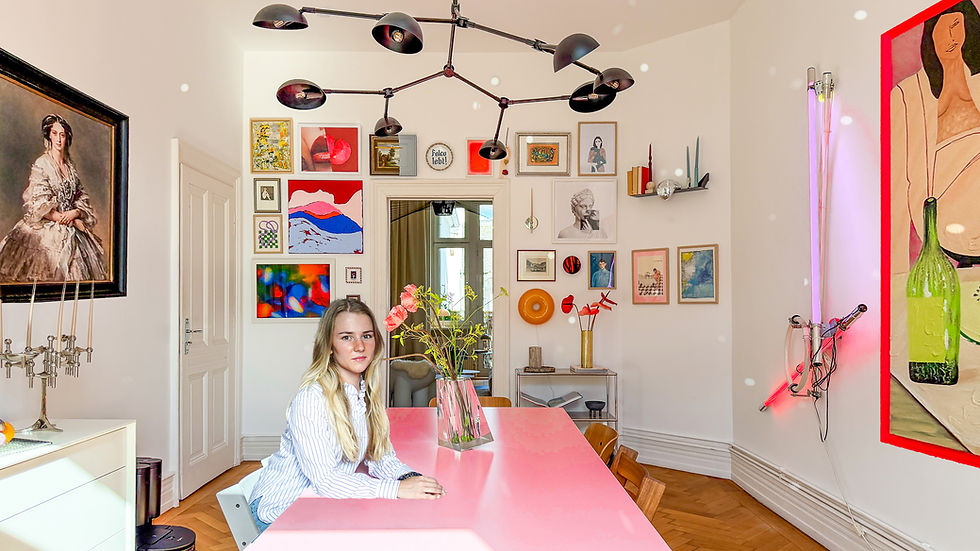
Watch the full Home Tour of Mien & Marvin here.
Mastering Interior Colors for your Space: How to Choose the Perfect Palette for Your Space
Picking colors can be tricky, but breaking it down step-by-step makes it manageable. Here’s how I recommend approaching it:
Start with a base color: This is usually a neutral or a favorite shade that will cover most of the room, like walls or large furniture.
Add a secondary color: Choose a color that complements or contrasts with your base. This could be for smaller furniture, rugs, or curtains.
Incorporate accent colors: These are pops of color in accessories, artwork, or cushions. They bring personality and interest.
Test your colors: Always try samples on your walls or fabrics in different lighting before committing. Colors can look very different in natural light versus artificial light.
Create a Focal Point: Color can help a lot with creating a focal point, too! And if youre still looking for a color palette, heres 54 Curated Color Palettes for you.
Remember, balance is key. If your base is a strong color, keep accents subtle. If your base is neutral, feel free to play with bolder secondary and accent colors.
And if you want a little help from an interior designer, apply here for an interior fit call! I only take 2 clients a month and work extra close with them.

The Psychology Behind Color Choices
Colors don’t just look pretty - they affect how you feel. Understanding color psychology can help you design spaces that support your lifestyle and mood.
Blue: Calming and serene, great for bedrooms and bathrooms.
Green: Refreshing and natural, perfect for living rooms and kitchens.
Yellow: Cheerful and energizing, ideal for entryways or breakfast nooks.
Red: Passionate and lively, works well in dining rooms or creative spaces.
Purple: Luxurious and mysterious, suited for bedrooms or reading corners.
Neutrals: Grounding and versatile, they balance out brighter colors.
When you choose colors with intention, your home becomes more than just a pretty place - it becomes a sanctuary that supports your well-being.

Tips for Mixing and Matching Colors Like a Pro
Mixing colors can feel like a puzzle, but a few simple rules can help you get it right every time:
Use the 60-30-10 rule: 60% dominant color, 30% secondary color, and 10% accent color. This creates a balanced and visually appealing space.
Consider texture and finish: Matte, glossy, and textured surfaces reflect light differently and can change how colors appear.
Don’t forget about undertones: Warm undertones (yellow, red) and cool undertones (blue, green) can clash if not paired thoughtfully.
Use color to define zones: In open-plan spaces, different color schemes can help separate areas without walls.
Bring in nature: Natural elements like wood, plants, and stone add warmth and depth to your color palette.
If you want to dive deeper into mastering these techniques, I recommend getting me free color guide with the 5 most common mistakes people make when it comes to color.
Creating Stunning Spaces with Color Confidence
Now that you know the basics, it’s time to put your knowledge into action. Start small if you’re nervous - a painted accent wall, colorful cushions, or a vibrant rug can make a big impact. Don’t be afraid to experiment and trust your instincts. Remember, your home is a reflection of you, and there’s no right or wrong when it comes to personal style.
If you want your space to feel cohesive, plan your colors room by room, keeping in mind how they flow from one area to the next. Use your favorite colors as a starting point and build around them. And always keep lighting in mind - it can change the way colors look throughout the day.
By mastering interior colors, you’re not just decorating, you’re creating a space that feels welcoming, inspiring, and uniquely yours.
Your Next Step Toward Beautiful Interiors
Color is one of the most powerful tools in your design toolkit. With a little knowledge and practice, you can create stunning spaces that feel balanced and inviting. Keep exploring, testing, and learning. Your home is your canvas, and every color choice is a brushstroke that brings your vision to life.
And, of course, if you want a little help from an interior designer, apply here for an interior fit call! I only take 2 clients a month and work extra close with them.
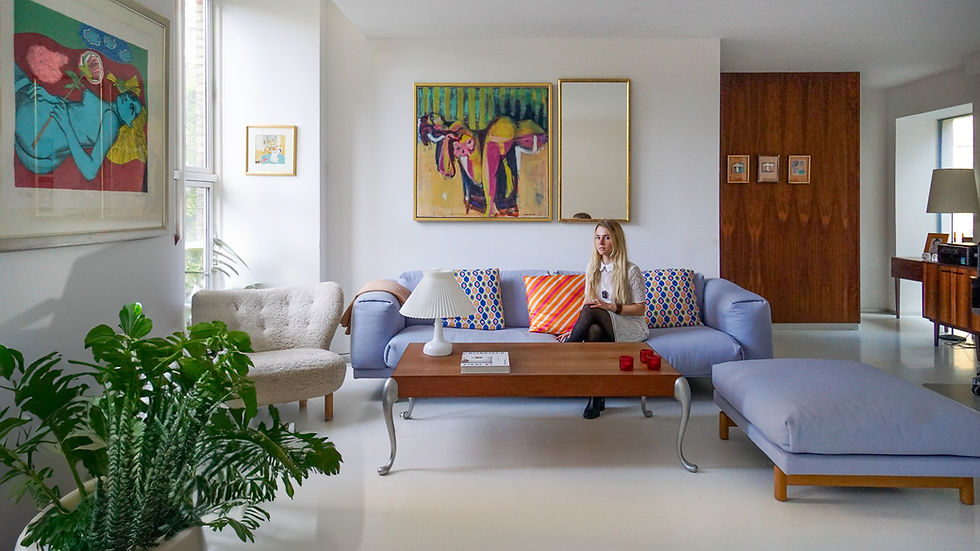

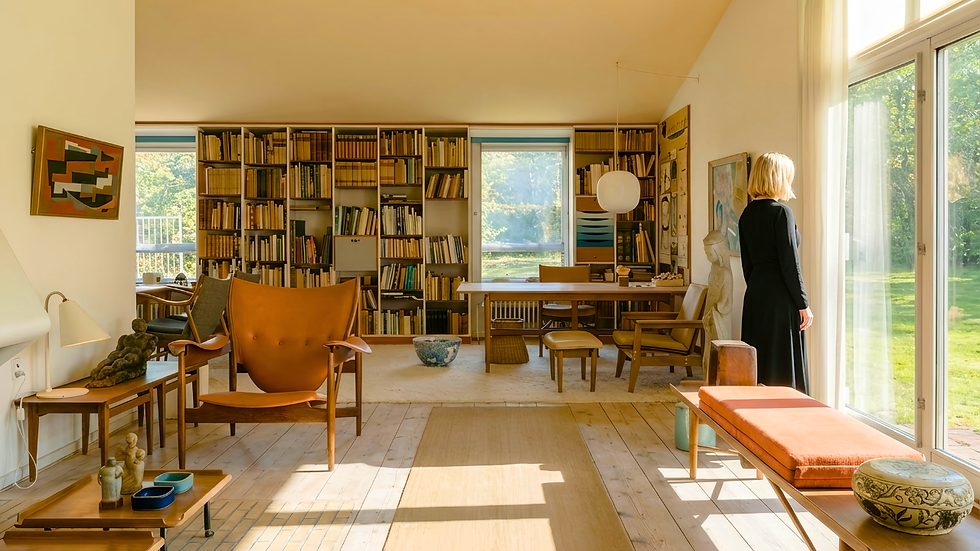
Comments